Jackpot Junctions: Fresh Waves in UK Casino Landscape
10 Apr 2026
UK Gambling Commission Settles with Octobet Operator Over Key AML and Customer Safety Breaches

The Settlement Details Unfold
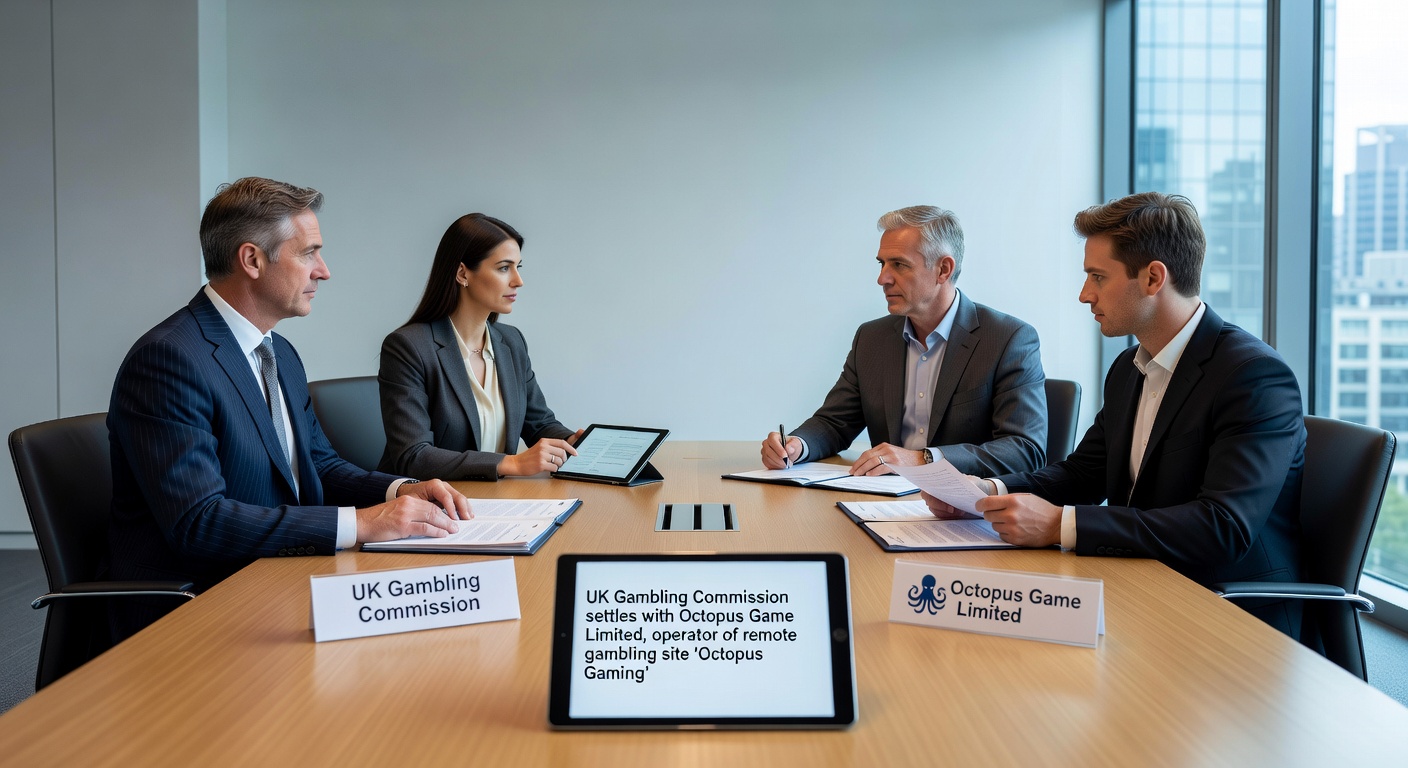
Octopus Game Limited, the company behind the remote gambling site Octobet—which offers casino games—reached a settlement with the UK Gambling Commission after breaches of Licence Conditions and Codes of Practice, specifically tied to anti-money laundering and counter-terrorism financing controls under LC 12.1.1, as well as remote customer interaction requirements in social responsibility provisions under SRCP 3.4.3. Holding remote operating licence number 000-062545-R-337248-006 and based in Winnersh, UK, the operator agreed to swift remedial actions, including issuing a public statement, covering the Commission's costs, and handing over a £26,000 payment in lieu of a financial penalty. This resolution, detailed publicly by regulators, highlights how enforcement bodies address compliance gaps without always resorting to harsher measures.
What's interesting here is the structured nature of these LCCP rules; LC 12.1.1 demands that licensees establish and maintain robust AML/CTF risk management systems, assessing risks from customers, products, and geographies, while conducting due diligence and monitoring transactions for suspicious activity—yet Octobet fell short in implementing these effectively. Meanwhile, SRCP 3.4.3 requires remote operators to interact with customers in a way that identifies potential gambling harm, putting in place appropriate protections like session limits or reality checks, but the Commission found deficiencies that compromised player safety. Observers note such dual breaches often stem from inadequate internal processes, although companies like Octopus Game Limited can pivot quickly through settlements like this one.
Octobet and Its Operator Background
Octopus Game Limited operates Octobet, a platform centered on casino games accessible remotely, catering to UK players under strict licensing oversight. Based in Winnersh—a hub for various businesses in Berkshire—the firm holds its remote operating licence since issuance, navigating a competitive online gambling landscape where compliance remains paramount. Data from the Commission's public register reveals this settlement as a targeted regulatory action, not an outright revocation, allowing continued operations once remedies take hold.
And while the site focuses on casino offerings, the breaches underscore broader vulnerabilities in remote gambling setups; experts who've reviewed similar cases point out that AML/CTF lapses can expose platforms to illicit funds flowing through bets and withdrawals, whereas customer interaction failures might let problem gambling escalate unchecked. Take one instance from regulatory patterns—operators sometimes overlook enhanced due diligence for high-risk players, leading to exactly these kinds of findings. Octobet, though, chose cooperation, agreeing to the terms without contest, which regulators often view as a mitigating factor.
Now, the public statement from Octopus Game Limited lays it out plainly: the company acknowledges the shortcomings in its AML/CTF framework and remote interaction protocols, commits to enhanced training for staff, upgrades in monitoring software, and ongoing audits to prevent recurrence. That's where the rubber meets the road for compliance—public admissions like this serve as both accountability and a blueprint for industry peers watching closely.
Breaking Down the Breaches: AML/CTF and Customer Interaction
LC 12.1.1 forms the backbone of AML/CTF obligations under the Gambling Act; licensees must document risk assessments, apply customer due diligence measures—like verifying identities for higher-risk accounts—and report suspicions to authorities, but Octobet's systems reportedly lacked the rigor needed, potentially allowing unchecked fund flows. SRCP 3.4.3, on the other hand, zeroes in on social responsibility for remote technical standards; operators need to monitor play patterns, trigger interactions when indicators of harm appear (such as prolonged sessions or deposit spikes), and offer tools for self-exclusion—yet gaps here meant some players slipped through without timely support.
But here's the thing: these aren't isolated slip-ups; figures from Commission reports indicate AML failures crop up in about one in five enforcement actions, while customer protection issues rank high too, especially as online play surges. Researchers studying regulatory data have found that remote operators, dealing with faceless interactions, struggle more with real-time harm detection compared to land-based venues. In Octobet's case, the settlement sidesteps a full penalty—£26,000 goes directly to beneficial causes instead—reflecting the firm's proactive fixes post-investigation.
So, staff at Winnersh likely scrambled to overhaul procedures; enhanced transaction monitoring now flags anomalies faster, customer-facing pop-ups prompt breaks during risky play, and third-party audits verify compliance quarterly. People who've tracked these settlements often discover that such overhauls not only satisfy regulators but also build player trust in the long run.
The Regulatory Process and Settlement Mechanics
The UK Gambling Commission kicked off its probe through routine compliance checks and player complaints, escalating to formal findings against Octopus Game Limited; rather than litigation, both sides opted for a case review under the regulator's enforcement policy, weighing factors like breach severity, past record, and remedial steps. Licence number 000-062545-R-337248-006 stayed intact, but with conditions attached via the agreement.
Paying costs covers investigative expenses—typically thousands in staff time and experts—while the £26,000 payment in lieu diverts funds from fines to addiction support charities, a common pivot since policy shifts emphasized harm reduction. It's noteworthy that this approach, detailed in the public register, encourages voluntary compliance; operators avoid case tribunals, which can drag on and damage reputations.
Yet, as April 2026 approaches with upcoming LCCP updates—stricter AML thresholds and AI-driven customer monitoring mandates looming—settlements like this one signal the Commission's zero-tolerance stance on legacy gaps. Those who've studied enforcement trends note a uptick in such deals, balancing deterrence with business continuity.
Implications for Operators and Players
For Octobet users, the fallout means tighter safeguards; enhanced AML checks might slow withdrawals slightly for some, but remote interactions now proactively flag excessive play, offering deposit limits or self-assessments mid-session. Players often find these tools invaluable, especially since data shows early interventions cut harm risks by up to 30% in similar setups.
Operators across the UK remote sector watch closely—Octopus Game Limited's path sets a precedent for swift settlements when breaches surface, particularly blending AML/CTF with social responsibility lapses. And with Winnersh as its base, the firm joins a cluster of licensees tightening belts ahead of 2026 reforms, where non-compliance could mean licence suspension.
One case researchers highlight mirrors this: a prior operator settled for similar AML shortfalls, emerging stronger with integrated compliance tech. Turns out, the writing's on the wall—robust controls aren't optional; they're the cost of staying in the game.
Conclusion
This settlement between the UK Gambling Commission and Octopus Game Limited over Octobet's LCCP breaches in AML/CTF (LC 12.1.1) and remote customer interactions (SRCP 3.4.3) wraps a key enforcement chapter, with the Winnersh-based operator issuing its public statement, footing costs, and paying £26,000 in lieu of penalties under licence 000-062545-R-337248-006. Regulators continue enforcing these standards rigorously, especially as April 2026 brings enhanced rules; operators adapt by bolstering systems, while players benefit from safer remote casino experiences. The public register keeps it all transparent, ensuring accountability shapes the industry's path forward.