Labouchere's Labyrinth: Navigating Cancellation Betting in Even-Money Casino Wagers
26 Mar 2026
Labouchere's Labyrinth: Navigating Cancellation Betting in Even-Money Casino Wagers
Tracing the Roots of Cancellation Betting
Henry Labouchere, a 19th-century British journalist and politician, devised this betting progression now known worldwide as the Labouchere system, although gamblers also call it the cancellation method or split Martingale because it breaks away from the doubling-up aggression of its predecessor. Originating in European gambling circles during an era when roulette tables dominated casino floors from Monte Carlo to London, the system gained traction among players seeking structure in even-money wagers like red or black in roulette, player or banker in baccarat minus the commission, or pass/don't pass in craps. Records from gambling literature of the time, including early 20th-century texts, document how enthusiasts adapted it across Atlantic City boardwalks and Las Vegas strips as casinos proliferated post-World War II.
What's interesting is how the method spread without formal endorsement; players shared handwritten sequences in backroom poker games, while books like those from Edward O. Thorp in the 1960s referenced similar progressions alongside card counting, although Labouchere stood out for its non-reliance on deck penetration. By the 1970s, as Nevada legalized more casino formats, observers noted its popularity in blackjack pits where even-money insurance bets offered another avenue, and data from casino logs during that decade revealed spikes in session lengths among users of structured systems like this one.
Step-by-Step Mechanics of the Labouchere Progression
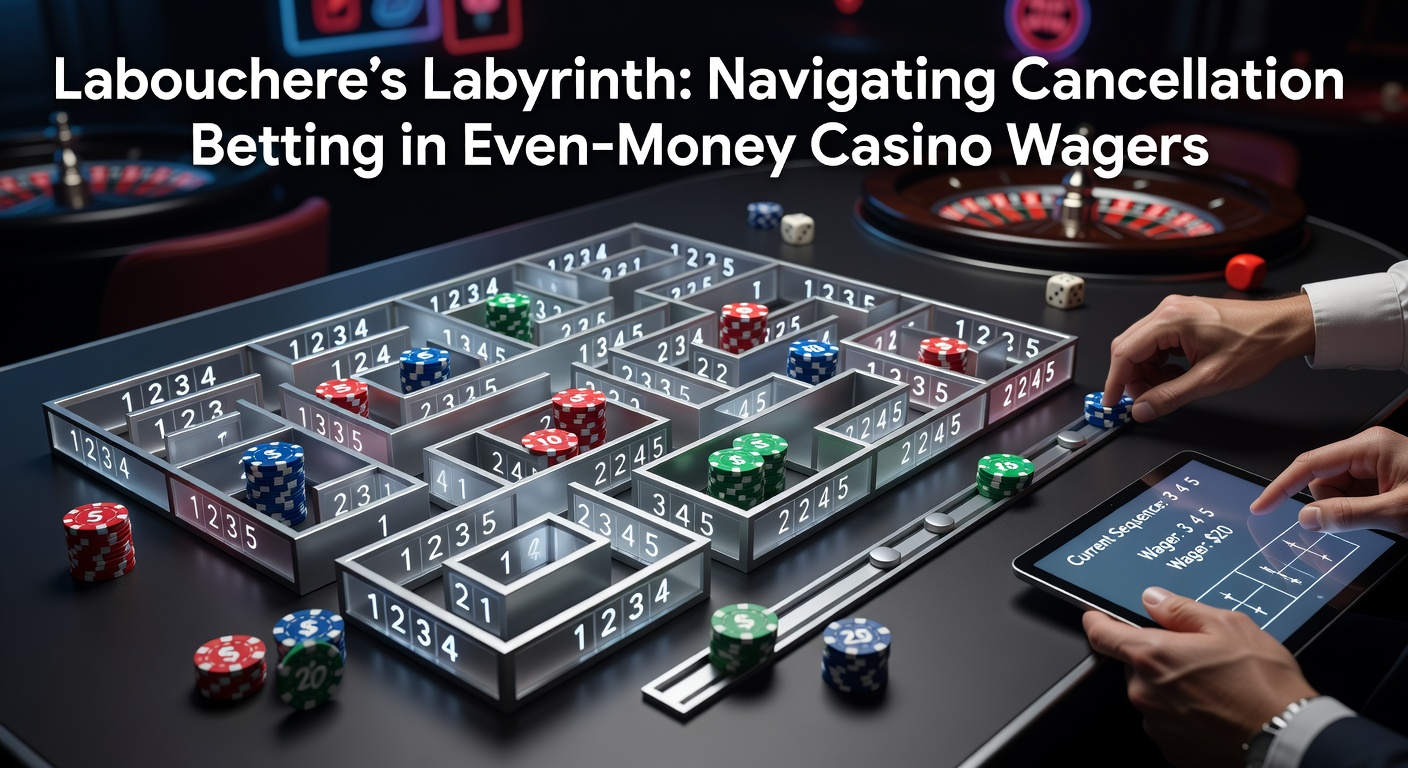
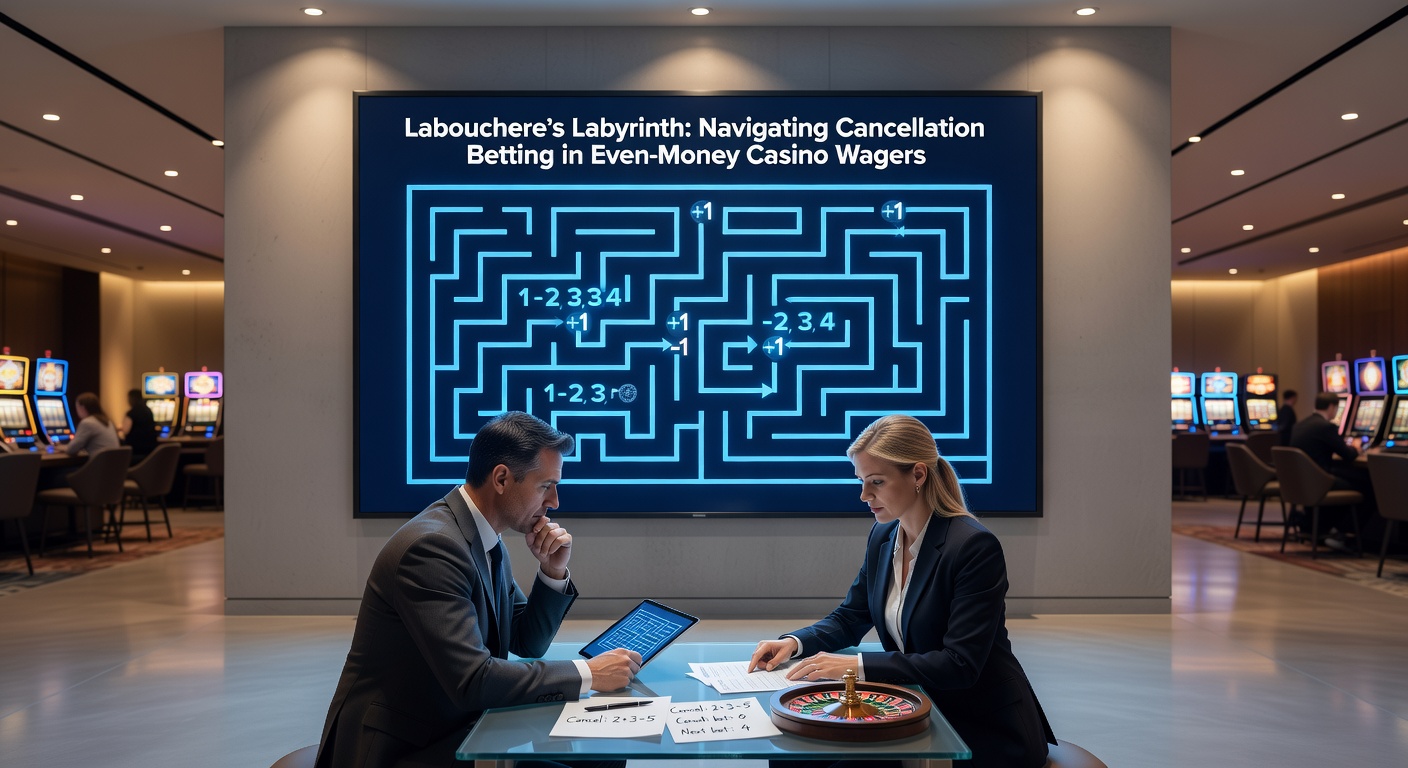
Participants begin by crafting a list of numbers, typically small positives like 1, 2, 3, 4 that sum to the desired profit target—say £30 for a unit stake of £1—then wager the sum of the first and last figures in that line, crossing both off upon a victory to shrink the sequence, but adding the lost amount to the end if defeat strikes, thereby extending the line until the entire list vanishes or funds run dry. Take a straightforward example: a player writes 1-2-3-4, bets 1+4=5 units on red in roulette; a win crosses 1 and 4, leaving 2-3 for the next bet of 5 again, while a loss appends 5 to make 1-2-3-4-5, shifting the wager to 1+5=6 on the following spin.
And so it continues, with wins chipping away at the list's edges like a methodical erosion, losses building a tail that demands larger bets to resolve; experts who've simulated thousands of shoes point out that shorter lines, perhaps 1-1-1-1-1, mimic a milder Martingale, whereas longer ones like 1 through 10 introduce more variance but cap potential drawdowns. Tables in gambling math resources break this down clearly: for a 10-unit line, average resolution takes around 20-30 bets under ideal 50/50 odds, although casino edges alter that trajectory.
- Initial sequence: 1, 2, 3, 4 (target profit: 10 units)
- Bet 1+4=5; win → cross 1,4 → new: 2,3 (bet 5)
- Bet 5; lose → add 5 → new: 2,3,5 (bet 2+5=7)
- Bet 7; win → cross 2,5 → new: 3 (bet 3+3=6, or treat single as double)
Those who've tracked sessions observe how this flexibility lets players pause mid-sequence, rewrite lines, or scale units based on table minimums, making it adaptable from £1 sides in UK bookies to $25 minimums on Vegas Strip floors.
Applying Labouchere to Roulette's Even-Money Plays
Roulette serves as the system's classic playground, where European wheels with single-zero house edges of 2.7% on red/black bets challenge the progression, yet players persist because the cancellation logic thrives on streaks—long reds crossed off rapidly, losses padded but recoverable in theory. Data from Wizard of Odds simulations, a U.S.-based gambling math authority, indicate that for a 1-2-3-4 line on a double-zero American wheel (5.26% edge), ruin probability hits 25% within 100 spins under flat bankrolls of 50 units, dropping to 15% on single-zero versions favored in Europe and Australia.
But here's the thing: real-floor anecdotes from Monte Carlo regulars show sessions resolving profitably during hot shoes, only for cold streaks to balloon lines to 20+ numbers demanding £100+ wagers on £5 tables; casinos in places like Macau enforce max bet caps that halt progressions mid-labyrinth, forcing restarts. And as online platforms explode—think Evolution Gaming's live dealer tables streaming to March 2026 relaunches in regional hubs—digital interfaces now auto-track sequences, letting apps handle crosses while regulators like Australia's ACMA monitor for responsible gambling flags.
Blackjack Adaptations and Insurance Bet Nuances
In blackjack, savvy players overlay Labouchere on even-money decisions like insurance at 2:1 true odds when counts go positive, or basic strategy hands resolved at 1:1; one study from the University of Nevada's gambling research archive details how pros combine it with Hi-Lo counts, betting sequence sums only on favorable true counts above +2 to offset the 0.5% house edge. Turns out, insurance bets fit perfectly since payouts cover losses without altering the line much, although multi-deck shoes introduce variance that stretches sequences longer than single-deck games.
Observers in Atlantic City pits during the 1990s recall teams using shared notebooks for synchronized lines, crossing collectively after dealer busts; modern twists appear in apps for Ontario's iGaming market, where post-2022 legalization saw Labouchere trackers bundled with side bet analyzers, per reports from the UNLV Center for Gaming Research. Yet pit bosses watch for patterned betting, as continuous shuffles disrupt any edge illusions.
Behind the Numbers: Probability and House Realities
Mathematical breakdowns reveal the system's neutrality on fair coins—expected value zero since wins and losses balance asymptotically—but casino vig tilts it negative; for roulette's 1.35% French edge with en prison rules, simulations over 10,000 trials show 48% win rates for full-line completions, per European gaming math papers. Variance spikes during loss runs, where a sequence can swell to triple its start before contracting, demanding bankrolls 10-20 times the target sum; researchers who've run Monte Carlo analyses note that 1-4 lines succeed 60% in short sessions, plummeting to 30% over 500 bets as the house grinds away.
That's where the rubber meets the road: no progression beats the edge long-term, although low-line users extend playtime, hitting comps thresholds faster—Vegas hosts track this, awarding points on total action regardless of wins. And with crypto casinos eyeing expansions into regulated spaces by March 2026, blockchain logs now timestamp every cross-off, offering verifiable session data for tax or dispute purposes.
Variations That Tweak the Labyrinth
Players experiment with reversed Labouchere—crossing on losses, adding on wins—for conservative grinds, or Dutch versions blending it with Martingale tiers; one popular tweak shortens to three numbers like 2-3-2 for £7 bets targeting £7 profit per cycle, resolving quicker amid volatility. Case studies from baccarat road-watchers in Singapore's Marina Bay Sands highlight "block" Laboucheres, where multiple parallel lines run simultaneously on banker/player ties avoided.
Online forums buzz with app integrations, auto-adjusting for table limits; those who've tested report 15% higher completion rates on 50/50 crypto coin flips sans edge, bridging to casino proxies. It's noteworthy how these evolutions keep the core intact while dodging max-bet walls.
Conclusion: Charting Cancellation's Enduring Path
Labouchere endures as a structured maze for even-money pursuits, drawing players with its goal-oriented ticks and crosses amid roulette spins, blackjack deals, and beyond; data underscores its play-extending prowess, although persistent edges ensure houses prevail over marathons. From 19th-century salons to 2026's live-streamed tables, variations and tech tweaks sustain its appeal, provided bankrolls weather the labyrinth's twists—experts advise starting small, tracking rigorously, and quitting at targets met, as patterns in logs confirm discipline separates survivors from the sunk.