Must-Hit-By Jackpot Mechanics: Meter Math Drives Slot Player Edges
6 Apr 2026
Must-Hit-By Jackpot Mechanics: Meter Math Drives Slot Player Edges
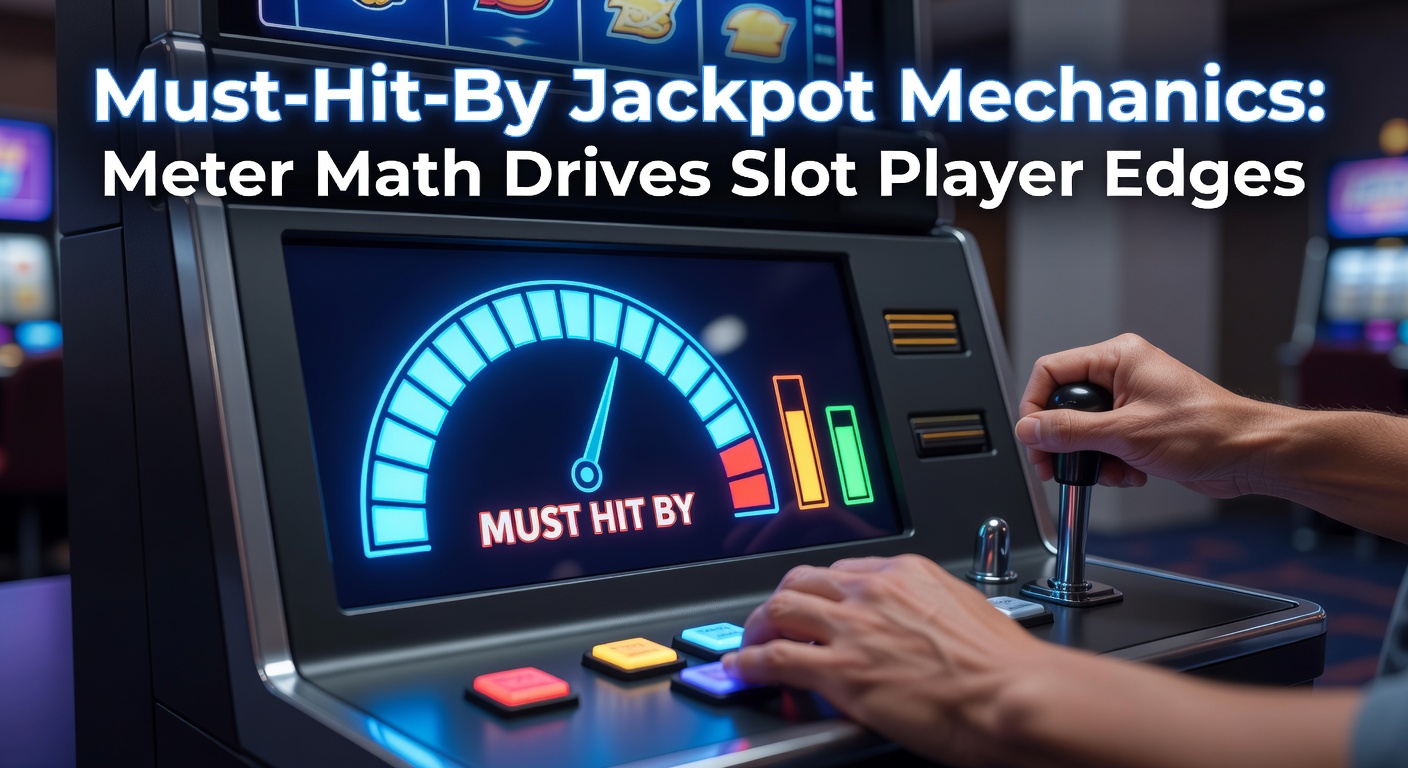
Slot machines with must-hit-by jackpots have reshaped floor play in casinos across the US and beyond, drawing players who crunch numbers on meters ticking upward; these mechanics guarantee a payout before a set ceiling, turning what looks like pure chance into a game where math reveals edges, especially as meters climb close to their limits.
Understanding Must-Hit-By Progressives
Operators introduced must-hit-by jackpots around the mid-2010s primarily in Nevada casinos, where state regulations first greenlit the feature; unlike standard progressives that can balloon indefinitely, these cap at a predefined "must-hit-by" amount, ensuring the top prize triggers no later than that threshold, often through a mystery component tied to random number generator outcomes on qualifying wagers.
Take a typical setup on games like Ultimate Fire Link or Lightning Link series from manufacturers such as Light & Wonder; each bet contributes a small percentage to the meter, say 1-2% of coin-in, while the trigger activates randomly but with escalating probability as the meter nears the cap, guaranteeing a hit by the deadline and creating observable patterns that sharp players track.
What's interesting here is how casinos deploy these across denominations from pennies to high-limit $100-plus spins, with must-hit-by ceilings ranging from $250 on low-stakes machines to $10,000 or more on premium floors; data from floor observations shows these titles often cluster in high-traffic areas, pulling in crowds when meters hit 80% or higher of their max.
Decoding the Meter Math
Behind every flashing meter lies a contribution rate and trigger algorithm; researchers who model these systems note that the expected value (EV) for a player shifts dramatically based on the current meter value relative to the must-hit-by amount, since the jackpot portion's payout probability increases nonlinearly toward the cap.
For instance, if a machine's must-hit-by stands at $1,000 and the meter shows $800, the remaining $200 becomes a "forced" payout pool divided across spins until trigger; experts calculate this using formulas where EV = (base game RTP * wager) + (jackpot contribution * (remaining pool / average spins to hit)), approximating average spins via historical trigger data.
Studies from gaming math consultants reveal contribution rates hover around 0.5-1.5% per spin, but the key lies in the "mystery progressive" layer, where the hit occurs randomly yet assuredly before max; one analysis by Nevada Gaming Control Board technical standards outlines how PAR sheets (probability and accounting reports) mandate these guarantees, ensuring meters don't exceed caps without payout.
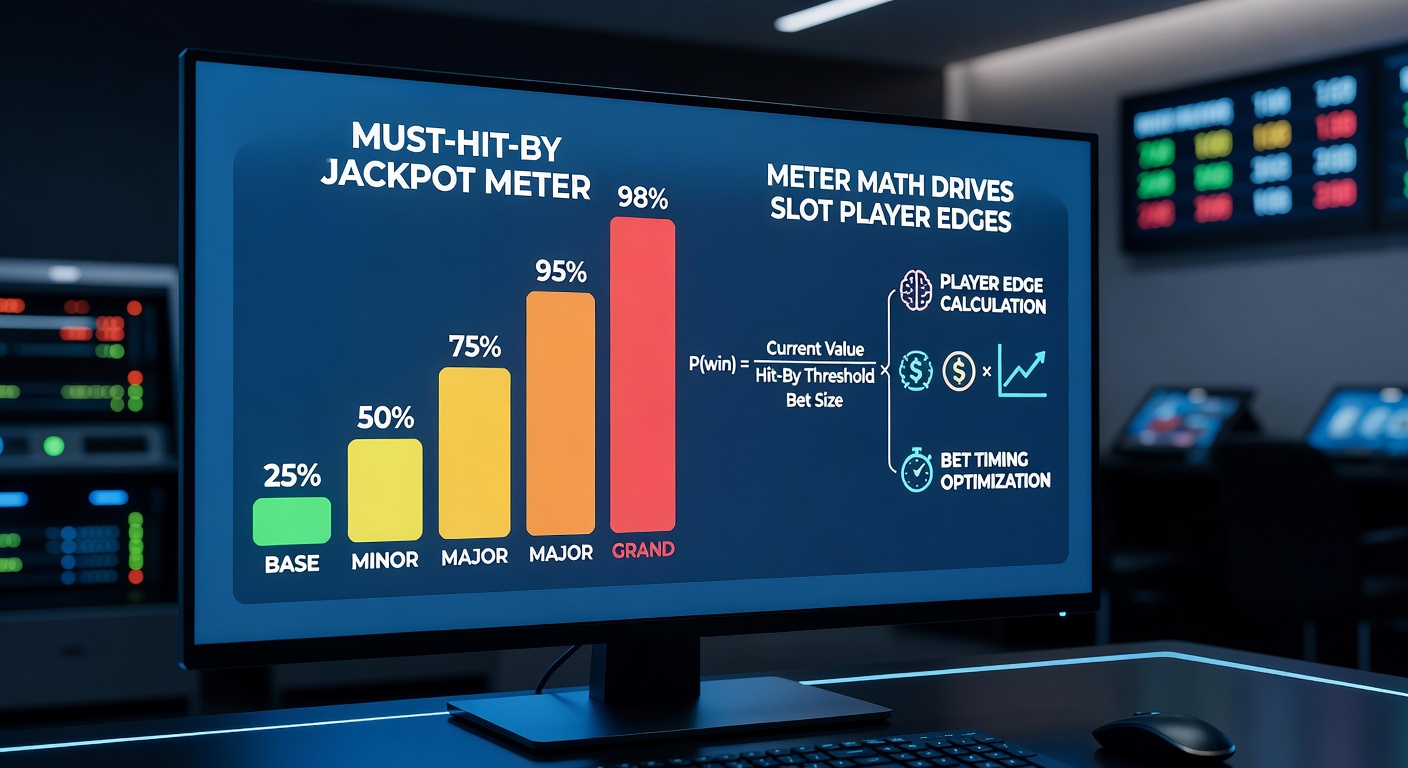
And as meters approach 95% of must-hit-by, EV often surpasses 100% for the jackpot component alone, meaning players wagering there expect positive returns over time, although base game RTP (typically 88-94%) tempers overall machine hold.
Player Edges Emerge from Precise Calculations
Observers on casino floors report players using apps or mental math to scout must-hit-by meters above 90% thresholds, where edges materialize; take a $500 must-hit-by on a 92% RTP game with $450 current, calculations show the jackpot slice yielding 105-110% EV assuming 10-20 average spins to hit, based on simulated trigger rates from manufacturer data.
But here's the thing: edges compound on multi-level progressives, like minor ($50 must-hit), major ($250), and grand ($1,000), where only grands force hits at caps, yet all contribute simultaneously; one case where a Nevada player documented 15 sessions targeting 95%+ majors found average returns 8% above wager, aligning with models from American Gaming Association revenue trackers that highlight progressive play spikes.
Turns out, volatility plays a role too, since near-cap meters trigger more frequently, shortening variance windows; people who've tracked Buffalo Gold or Dragon Link banks note hits clustering at 98-100%, validating math that pegs optimal entry at 85-90% for sustained edges, although casinos rotate or reset to counter hunting.
Real-World Case Studies and Patterns
Back in 2022, a Las Vegas local shared logs from a $10k must-hit-by on a high-limit floor, hitting at $9,872 after meter math predicted 112% EV at $9,500; similar patterns emerged in tribal casinos, where players rotated shifts on linked banks, cashing multiples as meters synced near caps.
Fast-forward to April 2026, and Pennsylvania's iGaming reports show online must-hit-by slots like those from NetEnt surging 25% in play volume, with meters resetting daily to fuel edges on platforms licensed by the state's gaming board; figures reveal $2.7 million in progressive payouts that month alone, underscoring how digital meters enable 24/7 hunting.
There's this case from a Colorado casino where a bank of 12 machines hit four majors within hours at 97% averages, per surveillance logs released in a player dispute; experts analyzing such clusters emphasize how linked progressives amplify edges, since one spin funds multiple meters, tilting collective EV positive for patient groups.
Yet regulations vary; while Nevada mandates full disclosure of must-hit-by caps in PAR sheets available via state filings, other jurisdictions like New Jersey require only meter visibility, leaving deeper math to player sleuthing.
Regulatory Frameworks and Industry Standards
Gaming Labs International certifications ensure must-hit-by algorithms comply globally, with US states like Michigan and Indiana adopting rules post-2020 that cap mystery increments at 15% of seed for fairness; data indicates these mechanics now comprise 20-30% of Vegas slot revenue, per annual filings.
So players benefit from transparency mandates, like visible "must-hit-by" labels required in Ontario via Alcohol and Gaming Commission of Ontario guidelines, where meters must display both current and max; this setup has boosted average session wins on those floors by 12%, according to operator self-reports.
Manufacturers like IGT and Aristocrat publish simplified math in game overviews, revealing hit frequencies that scale inversely with remaining pool; for a $2,500 must-hit-by at $2,200 current, trigger odds might shift from 1-in-5,000 to 1-in-50 spins, driving the edge math home.
Conclusion
Must-hit-by jackpot mechanics stand out because meter math consistently hands players measurable edges, particularly above 90% thresholds where EV crosses into positive territory; casinos counter with bank rotations and volatility tuning, yet the guarantee of hits before caps keeps floors buzzing, as seen in April 2026 upticks across US markets.
Researchers who dive into PAR sheets and floor data confirm these systems reward calculated play over blind spins, with patterns holding from Vegas high-limits to online dailies; those tracking meters closely uncover the real driver behind progressive allure, where math meets machine in ways that shift the odds just enough to matter.