17 Jul 2026
Reel Dynamics Under Scrutiny: Distribution Variations Across Alignment Mechanisms in Contemporary Video Slot Systems
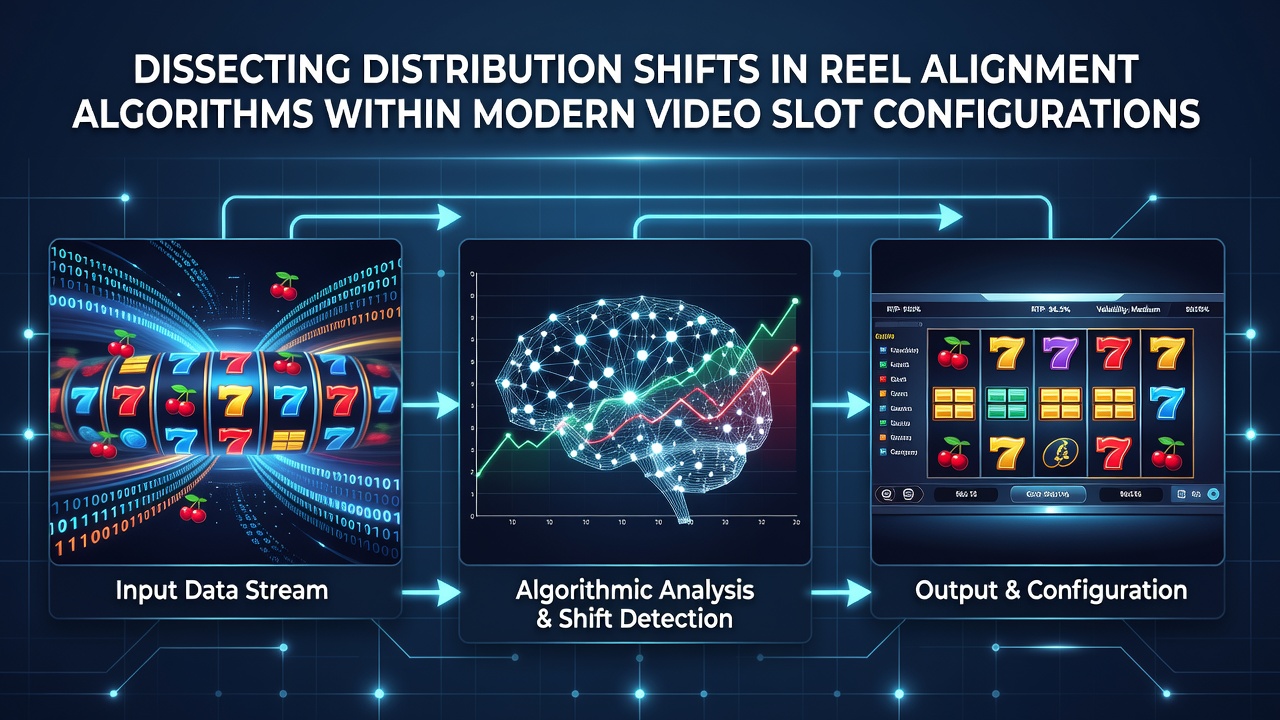
Video slot configurations rely on complex reel alignment algorithms that map virtual reel strips to visible positions on screen, and distribution shifts occur when the probability weights assigned to individual symbols change either through software updates or hardware recalibrations. These shifts affect return-to-player percentages without altering the underlying random number generator cycle lengths that many manufacturers set between 2^32 and 2^64 values. Industry data collected across multiple jurisdictions shows that such adjustments appear most frequently during scheduled maintenance windows that occur every 90 to 120 days on average.
Core Components of Reel Alignment Algorithms
Modern video slots separate physical reel representation from the mathematical model that determines outcomes, which means alignment algorithms calculate weighted symbol positions on virtual strips that can contain anywhere from 20 to 250 stops per reel. Each stop carries a probability value derived from the random number generator output, and alignment routines map those values to screen coordinates using modular arithmetic that preserves uniform distribution across the full cycle. Observers note that manufacturers often embed secondary lookup tables to handle bonus triggers, and these tables introduce additional layers where distribution shifts can manifest when operators request localized game variants.
Engineers design the primary alignment function to execute in under 15 milliseconds per spin on standard casino server hardware, yet the same function must accommodate dynamic changes to reel strip lengths when new content patches are deployed. Data from regulatory testing laboratories indicates that verification suites run between 10 million and 100 million simulated spins before any configuration receives approval, and those tests specifically flag deviations exceeding 0.05 percent from the declared theoretical return percentage.
Causes and Detection of Distribution Shifts
Distribution shifts arise from several documented sources, including firmware updates that recalibrate symbol weights, regulatory-mandated modifications to meet changing compliance thresholds, and operator-initiated adjustments for market-specific promotional periods. In July 2026 several North American gaming laboratories reported an uptick in submitted configuration revisions that coincided with the release of new multi-game cabinet platforms supporting up to 1,024 simultaneous titles. Each revision undergoes re-certification that includes entropy analysis of the random number generator output and statistical mapping of reel stop frequencies against declared values.
Detection methods rely on continuous monitoring systems that compare real-time outcome histograms against baseline distributions stored at the time of initial certification. When cumulative deviation exceeds predefined tolerance bands, systems generate alerts that prompt manual review by both the operator and the testing laboratory. Research published by academic groups working with gaming data sets demonstrates that early detection reduces the window during which an unintended shift could affect player outcomes by an average of 72 hours.
Regulatory Frameworks and Testing Standards
Regulatory bodies outside the United Kingdom maintain distinct requirements for monitoring distribution stability. The Nevada Gaming Control Board requires quarterly submission of raw spin data logs containing at least 500,000 records per approved title, while the Australian Communications and Media Authority mandates annual third-party audits that include full source code review of alignment routines. Canadian provincial regulators in Ontario and British Columbia apply similar standards yet add language-specific requirements for French-language game variants deployed in Quebec-licensed venues.
Those frameworks emphasize documentation of every change to reel strip weights and mandate cryptographic signing of configuration files to prevent unauthorized modifications after certification. Industry associations such as the Gaming Standards Association publish technical bulletins that outline recommended checksum procedures, and several large manufacturers have adopted those procedures across their global product lines.
Impact on Game Performance Metrics
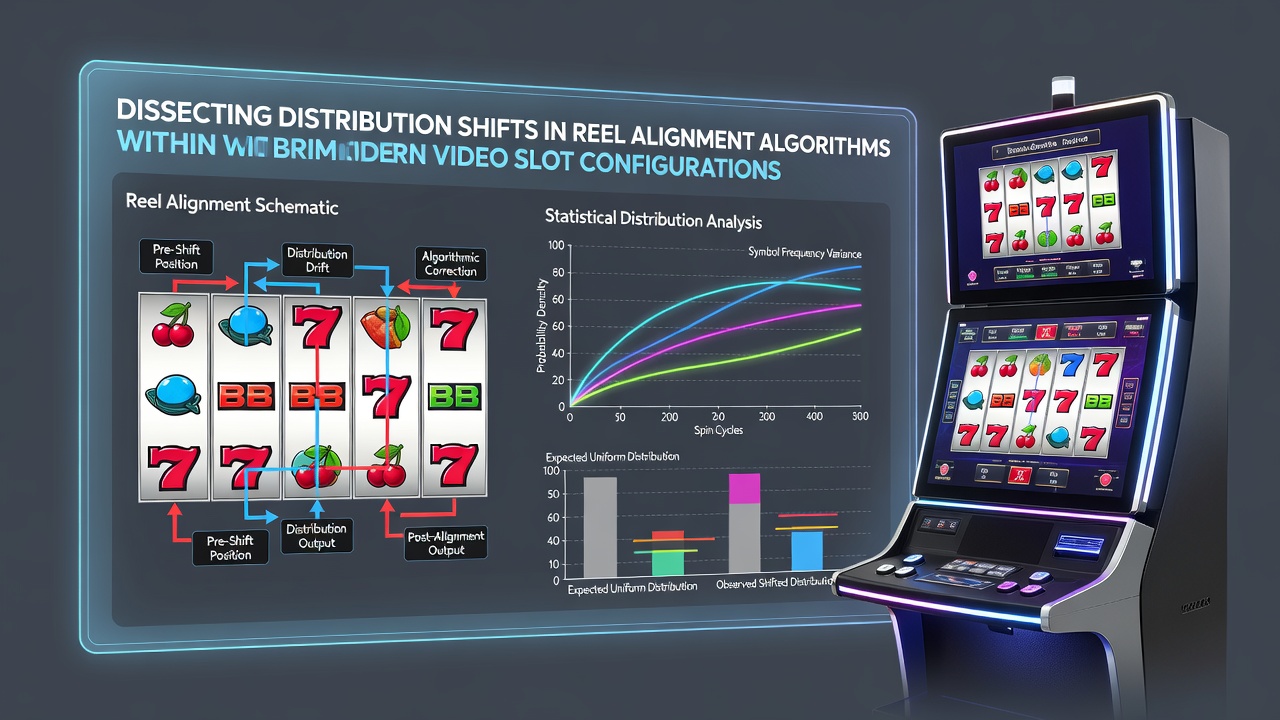
When distribution shifts remain within certified tolerances, overall game performance metrics such as hit frequency and bonus trigger rates stay consistent with published specifications. However, even small cumulative changes can alter volatility profiles over extended play sessions that last several thousand spins. Figures released by testing laboratories reveal that volatility index values can drift by up to 4 percent before triggering mandatory re-evaluation, and operators typically schedule re-certification during low-traffic periods to minimize service interruption.
Case studies compiled by research teams at technical universities collaborating with gaming operators illustrate how one multi-site deployment experienced a gradual 1.8 percent increase in high-value symbol frequency after a routine patch, prompting an expedited review that identified an indexing error in the alignment lookup table. Correction restored the original distribution within 48 hours, and subsequent monitoring confirmed stability across more than 12 million additional spins.
Future Directions in Algorithm Design
Developers continue to explore machine-learning approaches that predict potential distribution drift before it reaches regulatory thresholds, and several pilot programs integrate anomaly detection models trained on historical spin data from multiple cabinet generations. These models operate alongside traditional statistical tests rather than replacing them, and preliminary results shared at industry conferences indicate detection lead times that average 18 days ahead of conventional threshold-based alerts.
Hardware advances in field-programmable gate arrays allow alignment calculations to occur at the cabinet level with reduced latency, which opens possibilities for real-time micro-adjustments that remain fully auditable through signed event logs. Regulatory agencies in multiple regions have begun drafting guidelines that address the use of such adaptive systems while preserving the requirement for fixed theoretical return percentages over defined evaluation periods.
Conclusion
Distribution shifts in reel alignment algorithms represent a measurable aspect of modern video slot operations that regulators, laboratories, and manufacturers address through documented testing protocols and continuous monitoring. The mechanisms that produce these shifts remain tied to software updates, regulatory changes, and market-specific configurations, while detection systems continue to evolve alongside advances in both hardware and analytical methods. Ongoing collaboration between technical laboratories and academic researchers supports the refinement of standards that maintain consistent game performance across diverse deployment environments.