24 May 2026
RNG Sequence Patterns Shape Outcomes During Extended Play on Multi-Game Casino Terminals
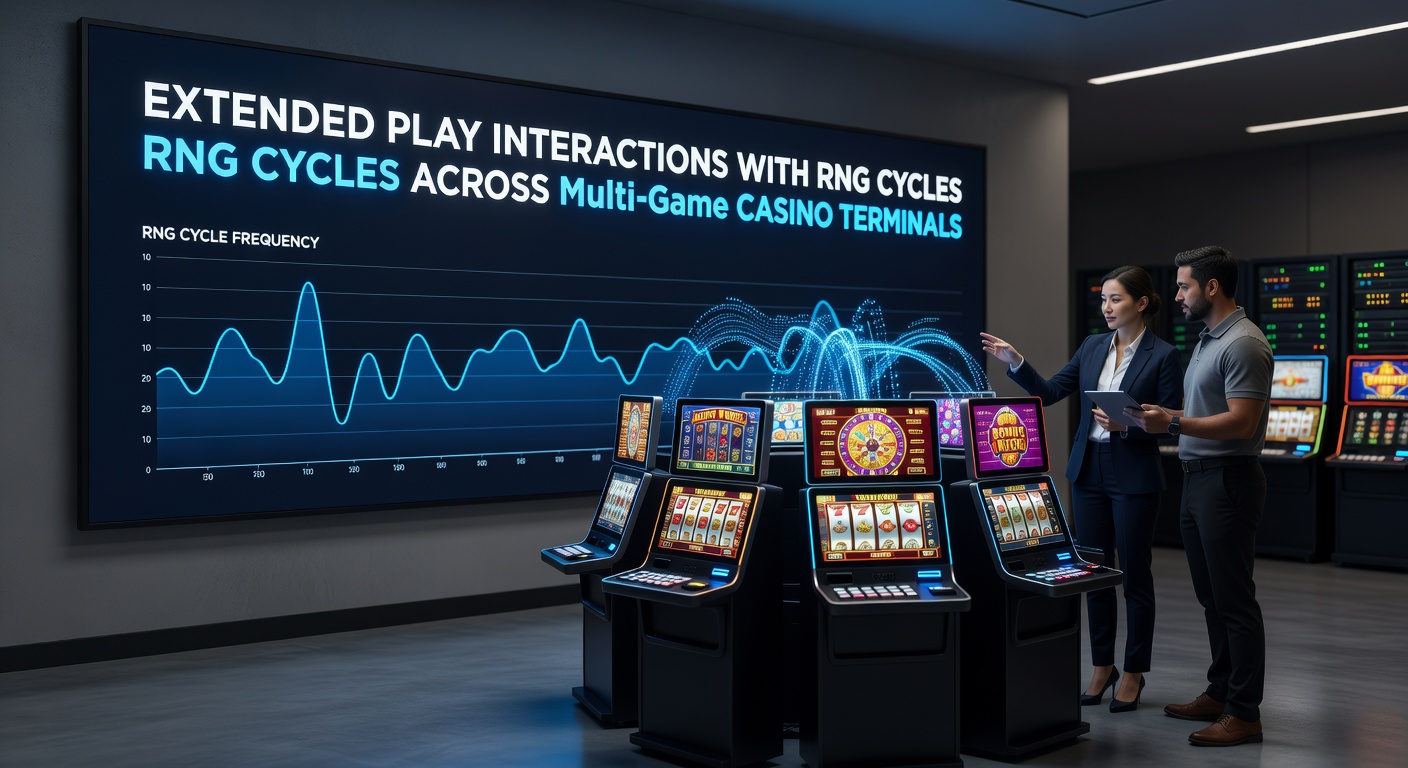
Multi-game casino terminals integrate several titles into single cabinets, and these systems rely on random number generators that operate continuously whether players engage or not, so extended sessions interact with the underlying sequence in measurable ways according to technical specifications from equipment manufacturers.
Core Mechanics of RNG Operation in Shared Terminals
Random number generators in these terminals produce outcomes through algorithms that cycle through vast numerical sequences, and manufacturers design them so each spin or hand draws from the current position in that cycle rather than resetting independently, which means prolonged interaction can span multiple segments of the sequence without repetition for practical purposes. Data from the Nevada Gaming Control Board shows that certified systems maintain cycle lengths exceeding 10^12 iterations, rendering observable repetition impossible during typical player sessions that last hours rather than years.
Terminals switch between games by accessing the same RNG stream, and this shared architecture creates continuity across different titles on one machine, whereas separate standalone units maintain isolated generators. Observers note that players who switch games mid-session continue from the existing numerical position instead of starting fresh, though the effect remains statistically neutral due to the length and complexity of modern implementations.
How Extended Sessions Interact with Sequence Progression
During long play periods the terminal advances through its RNG cycle at rates determined by game speed and the number of random values requested per round, so a session spanning several thousand spins traverses a tiny fraction of the total sequence yet still follows deterministic progression from the initial seed state established at boot or reset. Research from the University of Nevada, Reno gaming laboratory indicates that cycle position correlates directly with elapsed time and transaction volume rather than external factors like time of day or player identity.
Multi-game platforms often employ a single hardware RNG module that feeds all available titles, and this design reduces hardware costs while maintaining compliance standards across jurisdictions. When a player remains on one terminal for extended periods, the sequence advances steadily, and any perception of patterns arises from normal variance rather than cycle exhaustion because certified systems undergo rigorous statistical testing before approval.
Regulatory Testing Standards Across Regions
Authorities in multiple markets require independent laboratories to verify RNG integrity through millions of simulated outcomes, and these tests confirm uniformity and independence even after prolonged operation. In May 2026 the Australian Communications and Media Authority published updated compliance guidelines that emphasize continuous monitoring of terminal RNG states during live deployment, requiring operators to log sequence advancement metrics for audit purposes.
Canadian provincial regulators have adopted similar approaches, with data indicating that multi-game terminals undergo quarterly integrity checks that sample RNG output across game transitions. These protocols ensure that extended play does not introduce bias, and figures reveal consistent adherence rates above 99 percent across inspected devices in the most recent reporting period.
Player Behavior and Terminal State Continuity
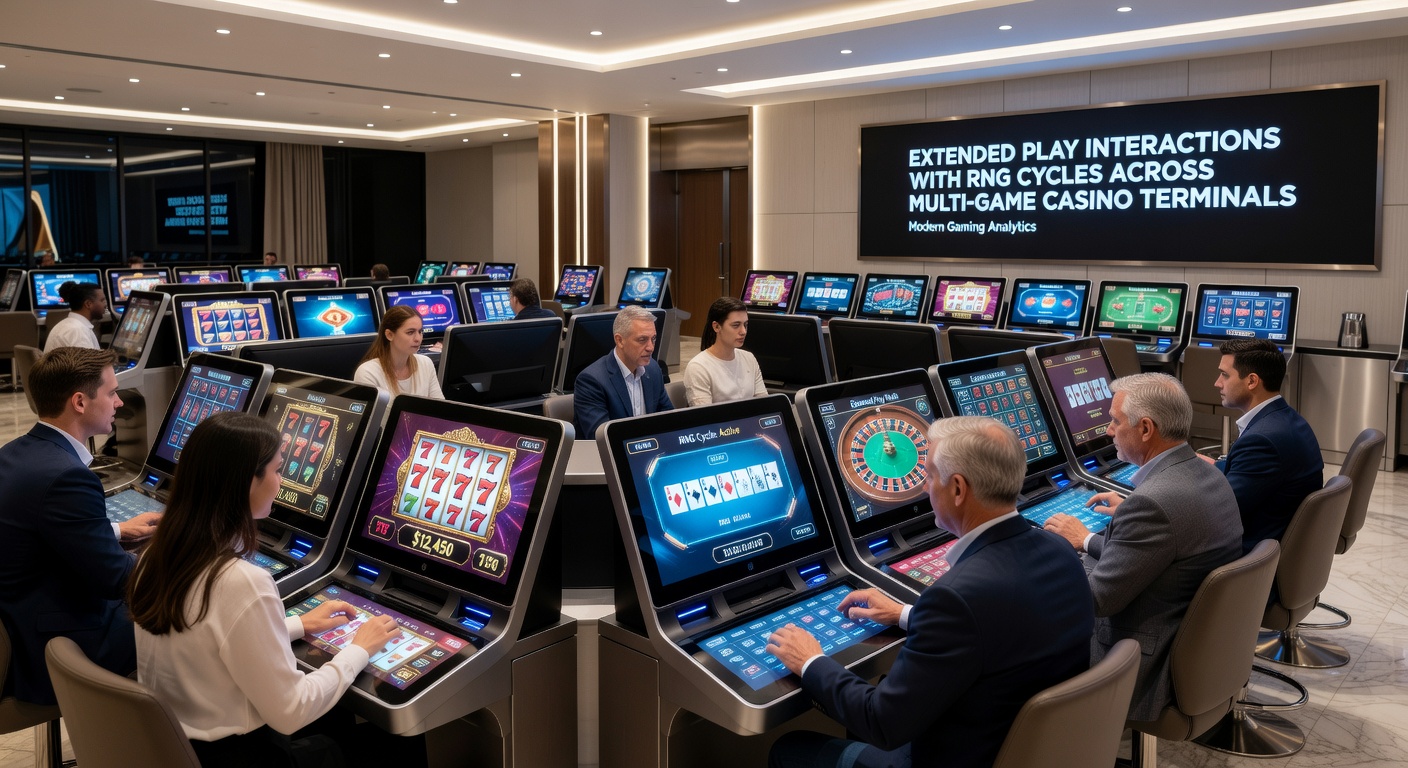
Individuals who occupy a single multi-game terminal for hours experience uninterrupted RNG progression, whereas those who move between machines encounter fresh sequence starting points on each new unit. Studies conducted by the National Center for Responsible Gaming have tracked session lengths and found average durations of 45 to 90 minutes, during which cycle advancement remains negligible relative to total sequence length. Operators configure terminals to preserve RNG state across game switches, allowing seamless transitions without reseeding.
Maintenance procedures sometimes involve full system resets that reinitialize the RNG seed, yet routine daily operation leaves the sequence running continuously from the previous state. Technicians monitor hardware clocks and transaction logs to confirm that no external manipulation alters the natural progression during extended use periods.
Technical Safeguards and Future Developments
Current multi-game platforms incorporate cryptographic hashing and multiple independent RNG streams to further isolate outcomes, and these layers prevent any theoretical cycle overlap from affecting results. Industry reports from the European Gaming and Betting Association document ongoing refinements in seed generation methods that incorporate live entropy sources such as atmospheric noise or hardware jitter.
Terminals scheduled for deployment after 2026 will feature enhanced logging capabilities that record exact RNG positions at the start and end of each player session, providing additional transparency for both operators and oversight bodies. Such measures build on existing frameworks without altering the fundamental randomness properties already validated through extensive testing.
Conclusion
Extended play on multi-game casino terminals follows established RNG cycle mechanics that remain consistent regardless of session duration, and regulatory frameworks across jurisdictions continue to verify that these systems deliver uniform outcomes through rigorous certification and ongoing audits. Technical continuity across game selections on shared hardware represents standard engineering practice rather than a variable that players can influence, while documented advancements scheduled through 2026 focus on improved monitoring and transparency measures.