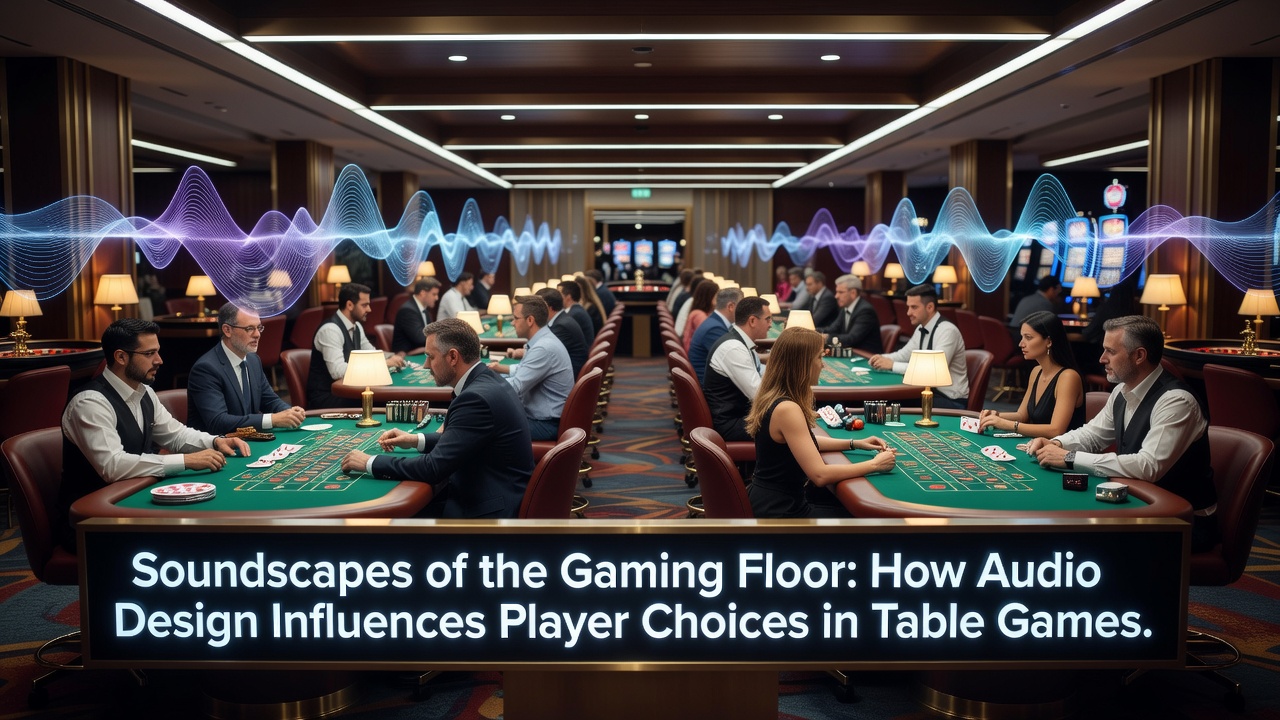
Soundscapes of the Gaming Floor: How Audio Design Influences Player Choices in Table Games
Audio design in casino table game areas shapes how players approach decisions at roulette wheels, blackjack tables, and craps layouts, with layered sound elements guiding attention and pacing throughout sessions. Casinos coordinate ambient tracks, dealer calls, chip sounds, and mechanical effects to create environments where auditory cues align with game progression, and data from multiple studies links these elements directly to variations in bet timing and wager sizes.
Core Components of Table Game Audio Systems
Table game soundscapes combine several distinct layers that operate simultaneously, starting with background music calibrated to specific tempos that match average round durations in games like blackjack and baccarat. Researchers at the University of Nevada, Las Vegas documented how these musical selections maintain consistent beats per minute ranges that correlate with increased player dwell time at felt-covered surfaces. Mechanical sounds from roulette balls spinning in wheels and dice landing on craps tables add another stratum, each engineered for clarity within the larger acoustic space so participants register outcomes without visual confirmation alone.
Dealer vocalizations form the most immediate layer, with standardized calls and announcements delivered at volumes that carry across clusters of tables while remaining distinct from neighboring games. In August 2026, several North American properties introduced updated voice modulation systems that adjust pitch and cadence based on real-time table occupancy readings, allowing announcements to scale naturally as crowds shift between shifts.
Research on Audio and Decision Patterns
Multiple academic investigations have measured how specific sound frequencies affect bet placement speed and risk levels chosen by participants. One analysis from the University of Alberta tracked heart rate variability and wager amounts during controlled sessions where audio tracks were altered between trials, revealing measurable shifts in average bet sizes when low-frequency tones accompanied winning outcomes. Observers note that these adjustments occur consistently across repeated exposures, suggesting players internalize auditory associations even when they report no conscious awareness of the changes.
Sound effects tied to chip handling and card shuffling also contribute measurable effects, with sharper, higher-pitched tones linked to faster subsequent decisions at blackjack tables. Data collected across Canadian gaming venues showed participants placed follow-up bets an average of 1.8 seconds sooner when shuffle machines emitted crisp, consistent audio signatures compared with muffled variants. These timing differences compound over extended play periods, altering total hands completed per hour.
Regional Variations in Audio Implementation
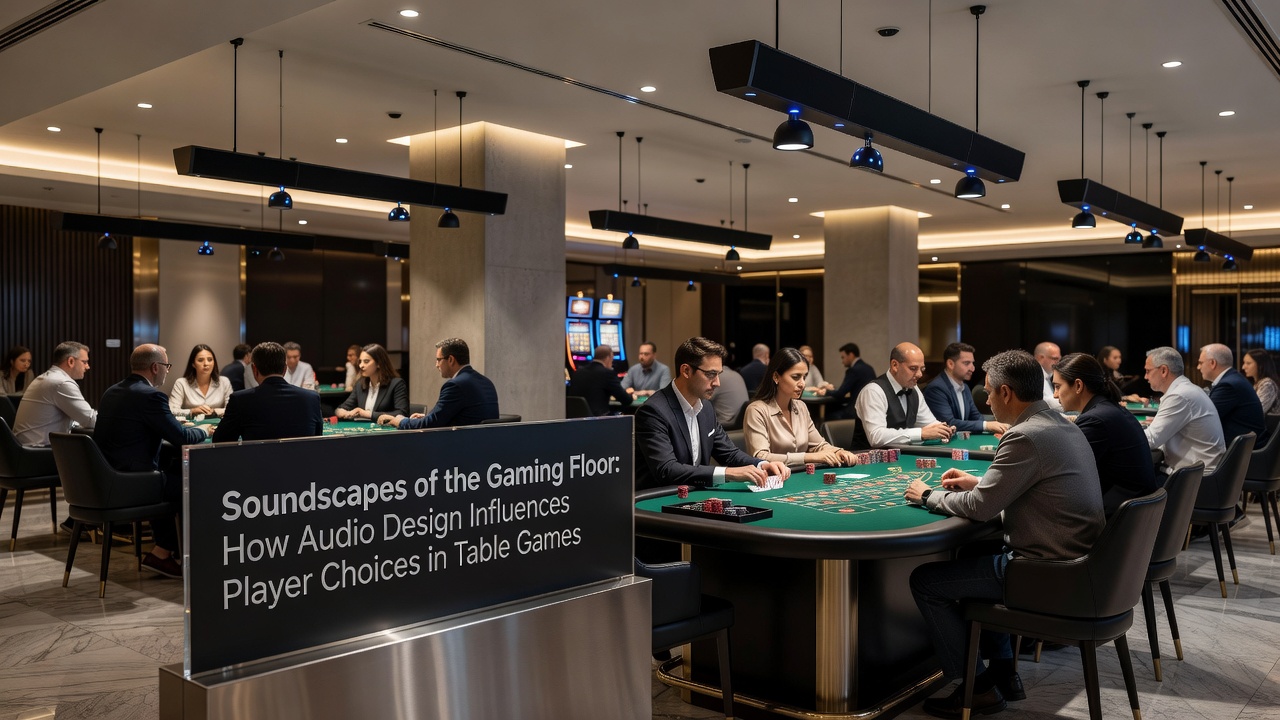
European and Asian casino operators apply distinct audio philosophies shaped by local regulations and cultural expectations. Properties in Macau emphasize amplified outcome sounds that broadcast wins across larger floor sections, while several Australian venues prioritize subtle directional audio that directs focus toward individual stations rather than communal announcements. The American Gaming Association has compiled comparative reports showing these regional approaches produce different patterns in average session length and game-type selection among visitors.
Technological upgrades scheduled for late 2026 include spatial audio arrays that allow operators to create localized sound zones around high-limit table sections without affecting adjacent low-stakes areas. Early deployments in Nevada and New Jersey properties indicate these systems reduce cross-table audio interference while preserving the ability to highlight specific game events for targeted player groups.
Integration with Player Tracking Technologies
Modern audio systems connect directly to player tracking platforms, enabling dynamic adjustments based on individual account data. When a loyalty program member approaches a table, background music or effect volumes can shift according to pre-set preferences derived from prior visits. This integration draws on aggregated statistics from regulatory filings in multiple jurisdictions, including reports submitted to the Nevada Gaming Control Board that detail correlations between customized audio environments and changes in game selection behavior.
Dealers receive training to modulate their calls in coordination with these systems, ensuring vocal delivery complements rather than competes with automated sound elements. Training modules developed by industry associations emphasize consistent pacing that aligns with the acoustic profile of each table layout, reducing instances where overlapping sounds obscure critical game information.
Conclusion
Audio design functions as an active component within table game operations, with documented connections to timing, wager selection, and session duration across varied casino settings. Continued refinements in 2026 reflect ongoing analysis of how layered sound elements interact with player behavior, supported by data from academic institutions and regulatory bodies operating outside the United Kingdom. These developments maintain focus on measurable outcomes rather than unsubstantiated claims about influence or preference.