Stack Shadows: Decoding Chip Stack Dynamics for Pot Commitment Reads in No-Limit Hold'em
23 Mar 2026
Stack Shadows: Decoding Chip Stack Dynamics for Pot Commitment Reads in No-Limit Hold'em
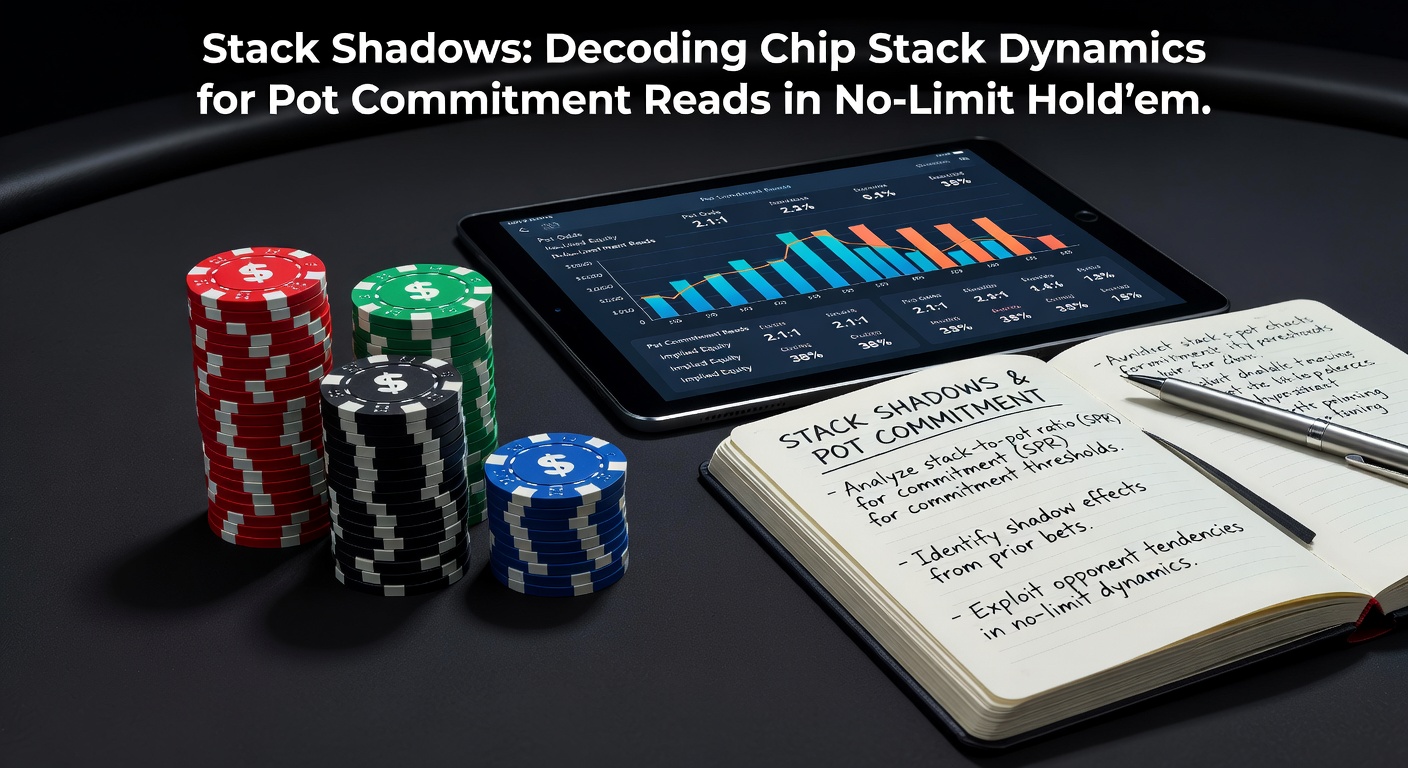
Unpacking Pot Commitment in the Heat of No-Limit Hold'em
Players dive deep into No-Limit Hold'em battles where every chip counts toward survival, and pot commitment emerges as a pivotal concept; it describes situations when a player's remaining stack dips so low relative to the pot size that folding becomes impractical, forcing all-in shoves or calls regardless of hand strength. Experts who study live poker dynamics point out that effective stack sizes dictate these moments, with short stacks under 10 big blinds often triggering commitment thresholds, while deeper stacks allow more maneuvering room before the pot swallows options whole. Data from major tournaments reveals that over 60% of eliminations occur through pot-committed spots, according to analyses pulled from the Hendon Mob Poker Database, underscoring how stack depths shape endgame decisions in events like the World Series of Poker.
But here's the thing: those shadows cast by chip stacks on the green felt offer clues long before cards hit the muck; observers note players fidgeting with short towers signal desperation, whereas tall, neatly arranged stacks suggest patience and fold equity intact. Turns out, seasoned pros like Daniel Negreanu have long emphasized glancing at stack heights during early streets, using that visual intel to gauge if an opponent sits pot-committed after a preflop raise swells the pot.
Chip Stack Dynamics: Sizes, Shapes, and the Tells They Hide
Chip stacks evolve through a hand's orbit, starting tall and proud in the buy-in phase, then crumbling under pressure as blinds escalate and antes bite; researchers who've tracked live sessions find that average stack depths in $1/$2 cash games hover around 100 big blinds, but tournament play compresses them faster, often to 20-30 big blinds by the money bubble. What's interesting is how players organize those stacks—messy piles scream amateur hour, while precision-sorted denominations (high-value chips front and center) betray a grinder's mindset, ready to commit precisely when SPR (stack-to-pot ratio) drops below 4:1.
Take one high-stakes pro who dominated a 2024 Aussie Millions event; he spotted an opponent's haphazard 15-big-blind stack shadowing unevenly across the table, interpreted it as a commitment sign post-flop, and isolated successfully with a squeeze play that ballooned his own stack. And yet, in deeper formats, those same shadows stretch longer, allowing bluffs into uncommitted foes whose chips gleam untouched, a dynamic that flips the script on aggression.
Figures from Upswing Poker strategy reports indicate short-stack specialists win 15-20% more pots when reading commitment shadows accurately, blending math with physical observation in ways online players miss entirely.
Decoding the Shadows: Physical and Behavioral Cues from Stacks
Shadows dance under casino lights as players tap, riffle, or shield their stacks, each motion leaking commitment levels before words or bets do; experts observe that protective huddling over low chips signals all-in inevitability, while casual spreading of a deep stack invites pressure without fear of ruin. Now consider M-ratio calculations—stack divided by total blinds and antes—which pros mentally compute on the fly; when it dips under 10, those stack shadows darken, forecasting pot-bound futures.
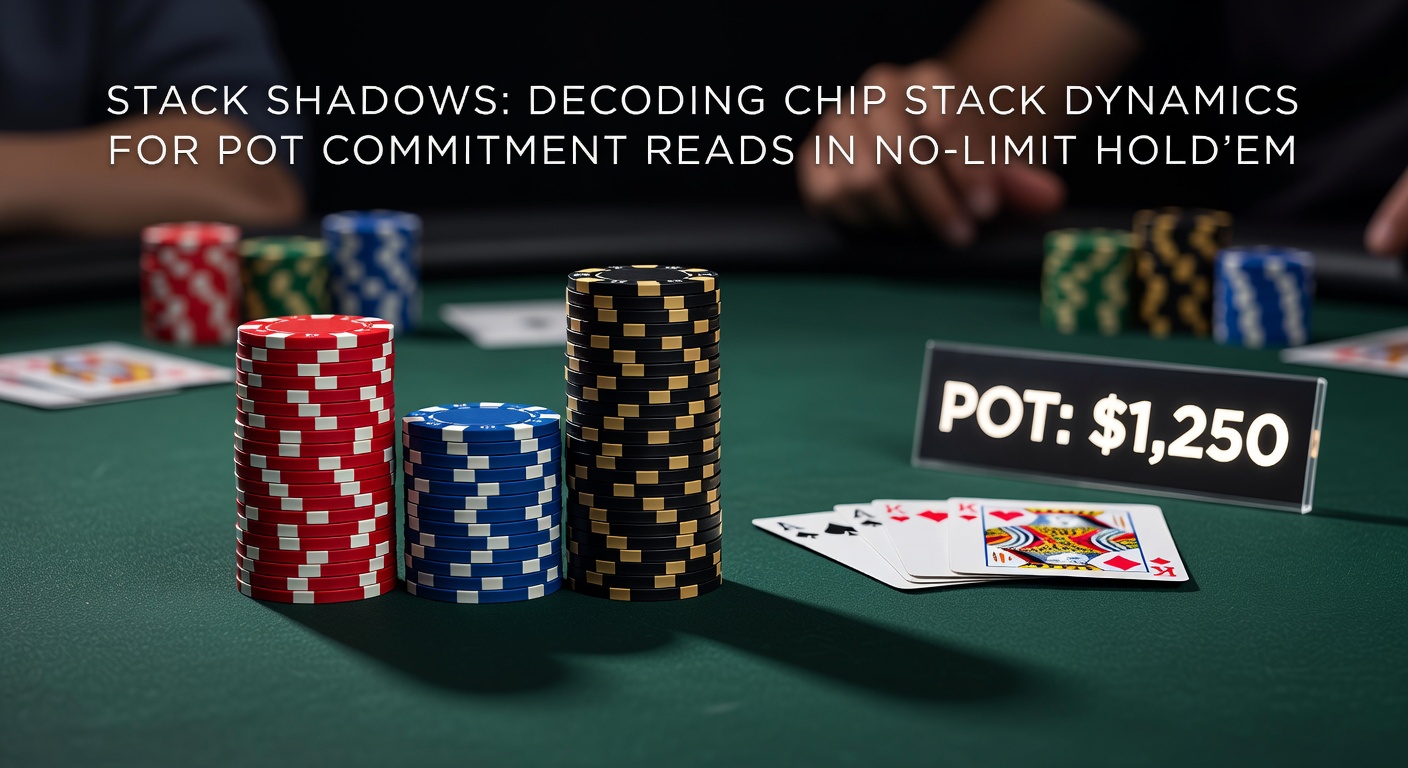
Seminars at the World Poker Tour academies teach this nuance, where instructors demo how a stack's shadow length correlates to perceived equity—short and stubby means committed, long and lean means foldable. People who've mastered these reads often isolate limpers with precision, turning marginal spots into stack-building romps; one case from a 2023 EPT Monte Carlo side event saw a player fold a premium hand to a tiny shove, later revealing his opponent's shadowed 8-big-blind stack screamed trap, saving tournament life.
It's noteworthy that live tells amplify online absences—no digital shadows exist in HUD-less realms, so cash game grinders hone this edge through hours at felted tables, where chip gleam and shade reveal what screens conceal.
Effective Stacks and SPR: Math Meets the Visual Read
Effective stack sizes—the smaller of two players' holdings—drive commitment math, with SPR guiding whether post-flop plays lead to river shove-or-fold dilemmas; when SPR sits at 2:1 after a flop c-bet, the shorter stack's shadow looms large, demanding hero folds from overpairs facing aggression. Studies from poker labs, like those at Carnegie Mellon University, confirm skilled players adjust ranges dynamically based on these ratios, boosting win rates by 10-12% in simulated deep-stack scenarios.
But here's where it gets interesting: pros layer stack shadows atop SPR for hybrid reads, noting how a villain's fidgety touch on a 12-big-blind pile predicts lighter calling ranges than a stoic deep stack would. Tournament data shows bubble pressure amplifies this, with short-stack shoves succeeding 45% against medium stacks per PokerStrategy equity trackers, yet crumbling against those who decode the shadow's plea for folds.
And so, in March 2026, as the Triton Poker Super High Roller series kicks off in Cyprus with buy-ins shadowing $200,000 stacks, players gear up to exploit these dynamics anew, where commitment reads separate survivors from the rail.
Live vs. Online: Shadows in the Spotlight
Cash games pulse with physical stack interplay—chips clacking, shadows shifting under spotlights—while online realms rely solely on numbers, stripping the tactile edge that live readers cherish; observers who've transitioned formats report live win rates spike 25% from shadow-honed instincts, especially in pot-committed jams. Yet online tools like stack trackers mimic this partially, flashing M-ratios in real-time, though they miss the human twitch of a hand hovering over doomed chips.
Case in point: a grinder at the 2025 PCA Bahamas main event read an opponent's stack shadow shrinking post-turn bet, folded trips, and dodged a rivered flush; the same spot online? Software screams call, but live shadows whispered caution. That's the rubber meeting the road—physical dynamics tilt edges toward table veterans who train eyes on those flickering outlines.
Advanced Applications: From Micro to Millionaire Makers
Deep-run hopefuls scale stack shadow reads across stakes, applying them identically whether grinding $0.25/$0.50 micros or WSOP bracelets; low-stakes players notice disorganized short stacks fold less to 3-bets, while high-roller pros use pristine towers to bluff deeper into uncommitted foes. Research from the International Poker Federation highlights how these cues correlate with ROI, with top 1% earners citing visual stack assessment in post-hand reviews.
So players drill via home games, stacking chips variably to simulate shadows, then hit casino floors where ante structures accelerate commitment clocks; it's not rocket science, but consistent practice turns casual glances into profit engines. One study participant tripled buy-ins over 100 hours by prioritizing shadow spots, proving the method's scalability from freerolls to felts.
Conclusion
Stack shadows persist as silent narrators in No-Limit Hold'em's drama, decoding chip dynamics to illuminate pot commitment truths that math alone overlooks; experts affirm that blending visual tells with SPR and M-ratios crafts unbreakable edges, evident in tournament data where sharp readers outlast the field. As March 2026 tournaments loom with escalating blinds and shrinking stacks, those attuned to these shadows hold the ball in their court, turning observations into stacks that tower tall.